
Why Spinal Alignment Matters for Your Health
Quick Answer
Spinal alignment matters because the spine protects the spinal cord, which carries signals between the brain and the body. When the spine is misaligned, it can place stress on joints, muscles, and nerves, which may contribute to pain, reduced mobility, and changes in posture. Maintaining proper spinal alignment supports healthy movement, balance, and nervous system communication.
What Is Spinal Alignment?
Spinal alignment refers to the natural positioning of the vertebrae so the spine maintains its normal curves and supports balanced movement. When the spine is properly aligned, the body distributes weight efficiently and the nervous system can function without unnecessary mechanical stress.
Why Is Spinal Alignment Important?
Spinal alignment plays an important role in overall physical health because the spine:
• Protects the spinal cord
• Supports posture and movement
• Helps distribute body weight evenly
• Allows efficient communication between the brain and body
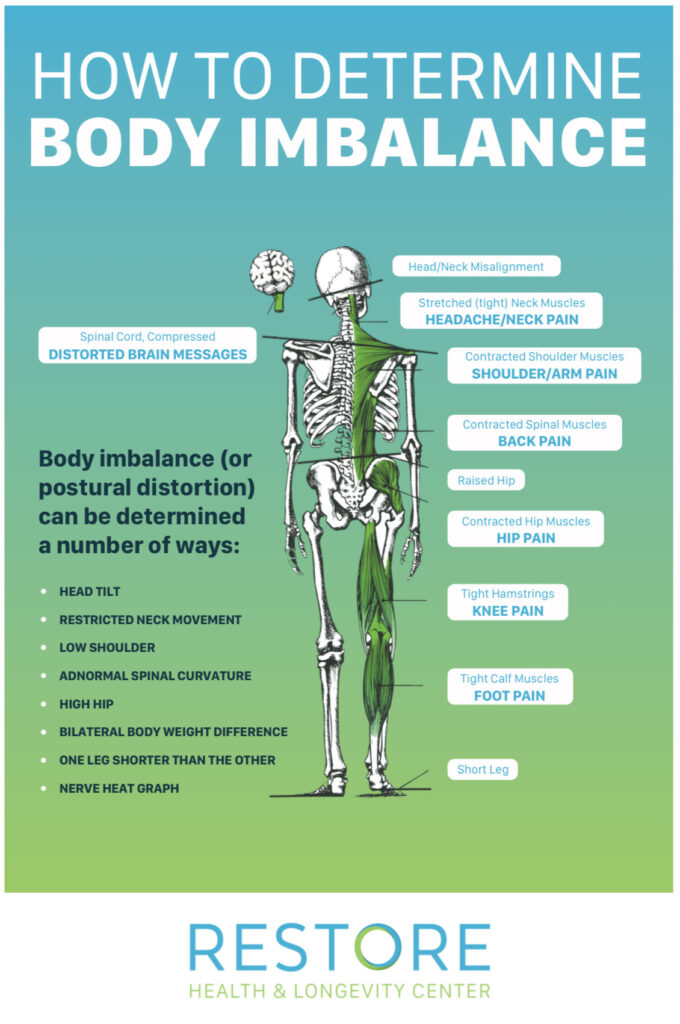
When alignment shifts, muscles and joints often compensate, which may lead to tension, fatigue, or discomfort.
What Happens When the Spine Is Misaligned?
When spinal alignment changes, the body may compensate in several ways:
• Muscles tighten to stabilize the area
• Joints may move unevenly
• Posture can shift
• Mobility may decrease
Over time, these changes can create additional stress on the body.
A Simple Way to Understand Spinal Alignment
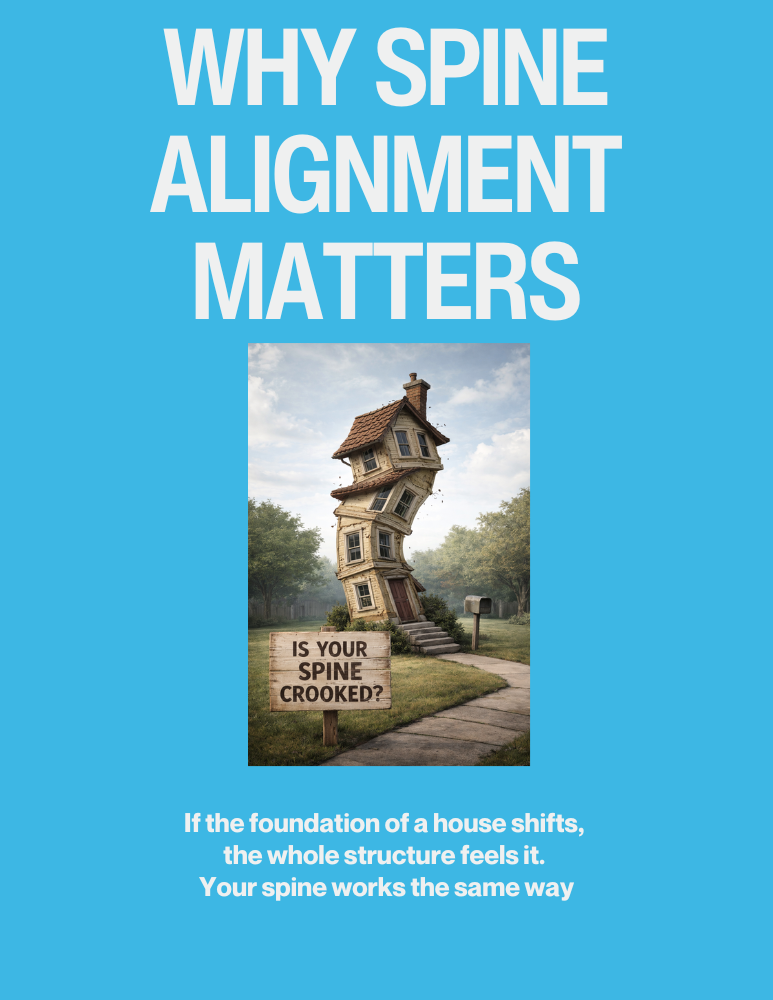
Imagine a house built on a slightly crooked foundation.
At first the shift might be small, but over time:
• Doors stop closing properly
• Floors become uneven
• Cracks appear in the walls
The structure is still standing, but it requires more effort to maintain stability.
The body often works the same way when the spine is out of alignment.

How Regular Alignment Checks Help
Many people only think about their spine when pain appears. However, small changes in alignment can occur gradually through daily activities such as sitting, exercise, or repetitive movements.
Regular spinal evaluations can help identify these changes early and support healthy movement and posture over time.
Frequently Asked Questions
Does spinal alignment affect the nervous system?
Yes. The spinal cord runs through the spine and carries signals between the brain and the body. Changes in spinal movement or alignment can influence how the body distributes mechanical stress during movement.
How often should spinal alignment be checked?
This varies by individual. Some people choose periodic evaluations to monitor posture, mobility, and spinal health before discomfort develops.
